
The Nature of Luck in Gambling
In the world of gambling, luck is often portrayed as a magical force that can influence the outcome of games and bets. Many players believe that being lucky can tip the scales in their favor, leading to significant winnings and unforgettable victories. This perception stems from countless stories of individuals who have defied the odds, claiming that luck was the key ingredient in their success. However, the reality is usually more complex, intertwining probability, skill, and chance.
While luck might play a pivotal role in certain instances, especially in games completely governed by chance like slots or roulette, it is essential to acknowledge that the outcomes of such games are also determined by statistical probabilities. For every winner, there are equally numerous players who walk away empty-handed, illustrating that luck is not the only factor at play. Understanding this dynamic is crucial for anyone looking to engage in gambling responsibly.
The Psychology Behind Beliefs in Luck
The belief in luck as a determinant factor in gambling can be analyzed through psychological lenses. Many gamblers may exhibit behaviors that reinforce their belief in luck, such as wearing “lucky” clothing or following specific rituals before placing bets. This phenomenon, known as superstition, is deeply rooted in human psychology where people seek patterns and meaning, particularly in uncertain situations like gambling.
Such beliefs can have a profound effect on a gambler’s mindset, potentially influencing their decisions and strategies. A player who feels lucky might take more risks, believing that fortune is on their side. Conversely, an individual who has had a series of losses may start to doubt their luck, leading to a downward spiral of poor decision-making. These psychological aspects significantly affect gambling behavior, blurring the lines between luck and logical strategy.
The Role of Probability and Skill
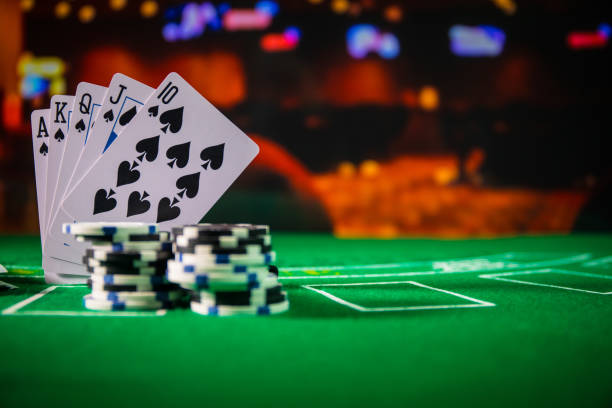
While luck is often glamorized, it is essential to understand that many gambling scenarios are rooted in probability and skill. Games like poker or blackjack not only require understanding odds but also demand strategic thinking and emotional control. Players who invest time in learning the intricacies of these games can improve their chances of success significantly. Here, luck may still play a role during individual hands or rounds, but overall success is more dependent on skillful play.

The Illusion of Luck in Machine Games
Slot machines and other machine-based games are often seen as pure luck games. The allure of winning a jackpot can create an environment heavily influenced by the perception of luck. Players often enter these games with the belief that a lucky outcome is just a spin away. However, understanding random number generators (RNGs) reveals that every outcome is predetermined and not influenced by prior spins, essentially debunking the myth of luck in a traditional sense.
This understanding is vital for responsible gambling. While players may attribute their wins or losses to luck, the mathematical odds remain constant. Recognizing that luck is more of an illusion can help players develop a healthier relationship with gambling and manage their expectations accordingly.
Exploring Gambling Experiences on the Website
This website offers a unique space for those looking to explore gambling from a different angle, emphasizing understanding over mere luck. By engaging with diverse games from the ice fishing game to various classic casinos, users can experience the blend of skill, strategy, and luck firsthand. The platform acknowledges that while luck can play a role, the essence of gaming lies in knowledge and informed decisions.
Ultimately, this site serves as a resource for both novice and experienced gamblers, encouraging an approach grounded in awareness. Understanding the interplay between luck, skill, and probability can transform gambling from a purely luck-based endeavor into an enriching experience filled with strategic opportunities and learning moments.